

AC Replacement in Pine Knoll Shores, NC
Experience power-saving, top-quality AC replacement services in Pine Knoll Shores. Contact Airtech Mechanical Service Inc today for a professional consultation and upgrade to an efficient, durable system.
Is Your Air Conditioner Failing to Combat the Summer Heat?
Facing the brunt of Pine Knoll Shores’ humid summers with an outdated AC can be challenging. When your comfort and budget are on the line, Airtech Mechanical Service Inc. ensures an efficient replacement is just a call away, so contact us to schedule your assessment or discuss financing options.
A failing cooling system does more than just make your home uncomfortable; it introduces humidity risks and inflates energy costs. Homeowners in this coastal region require systems designed to handle salt air, high moisture levels, and intense heat without faltering. We focus on delivering precise system matching and robust installation practices that stand up to local environmental demands.
- Experience cooling relief with prompt, professional AC installation services.
- Reduce your energy bills with high-efficiency air conditioners designed for the modern regulatory standards.
- Gain peace of mind with a durable system ready for the specific demands of coastal weather.
All installations are fully licensed, warranty-backed, and financing options are available to ensure your home remains cool without financial strain.
What to Expect From a Modern Cooling System Installation
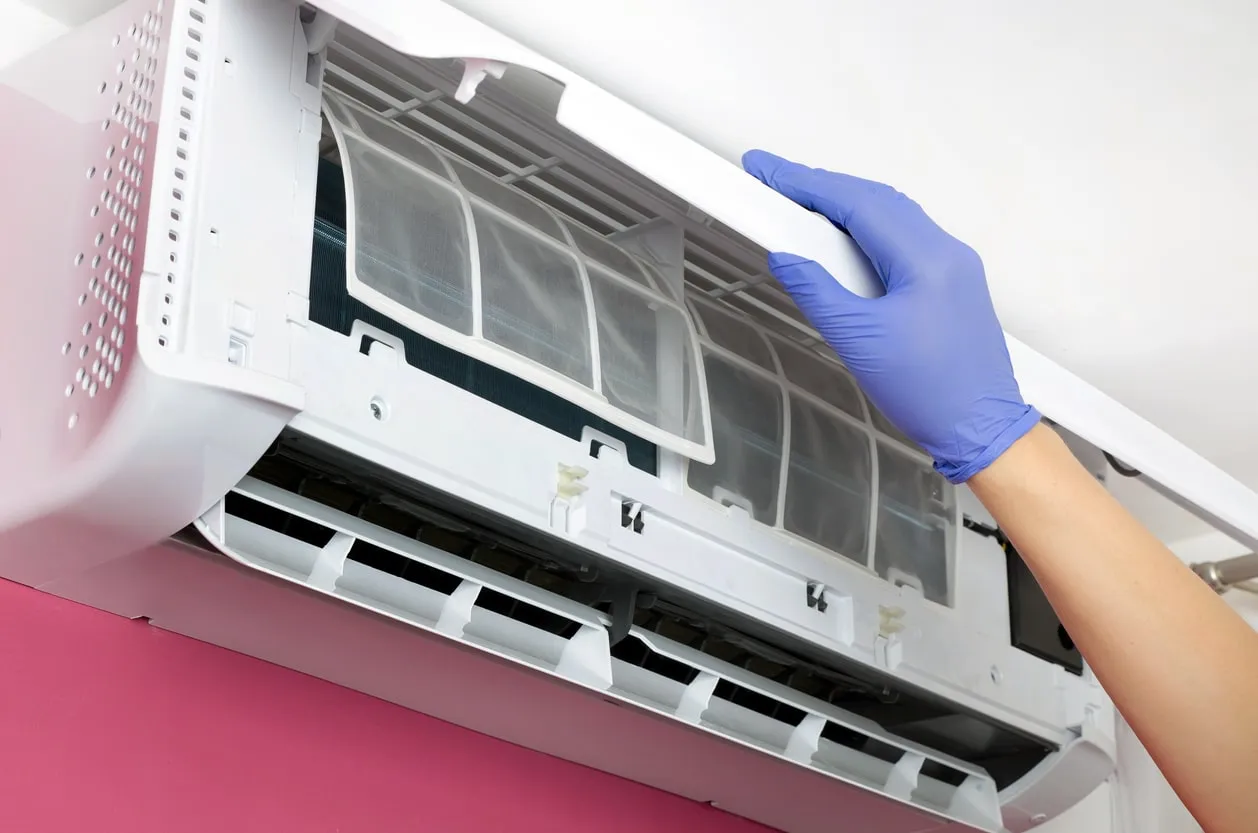
Replacing an air conditioner is a significant investment in your property infrastructure. The technology powering HVAC systems has advanced rapidly in recent years, offering benefits that go beyond simple temperature control. When you upgrade your system today, you are purchasing a solution that actively manages indoor air quality, humidity, and energy consumption.
A comprehensive replacement service covers every aspect required to bring your home up to modern cooling standards. This includes the safe removal and disposal of the old unit, limiting liability and environmental impact. The focus is on a turnkey solution where the new equipment is integrated seamlessly with your existing ductwork and electrical systems.
- Higher SEER2 Ratings: New units adhere to the updated Seasonal Energy Efficiency Ratio (SEER2) standards. This means the equipment produces more cooling power per watt of electricity consumed, resulting in lower monthly utility expenses compared to units manufactured even a decade ago.
- Enhanced Humidity Control: In coastal environments, removing moisture is as important as lowering the temperature. Modern systems often feature two-stage or variable-speed compressors that run longer at lower speeds, effectively pulling more moisture out of the air.
- Smart Thermostat Integration: New installations typically include or are compatible with smart thermostats. These devices allow for remote monitoring, scheduling, and learning algorithms that optimize runtime based on your lifestyle.
- Warranty Protection: A new system comes with manufacturer warranties that protect major components like the compressor and coil for up to ten years, provided the unit is registered and maintained correctly.
The Installation Process: From Assessment to Airflow
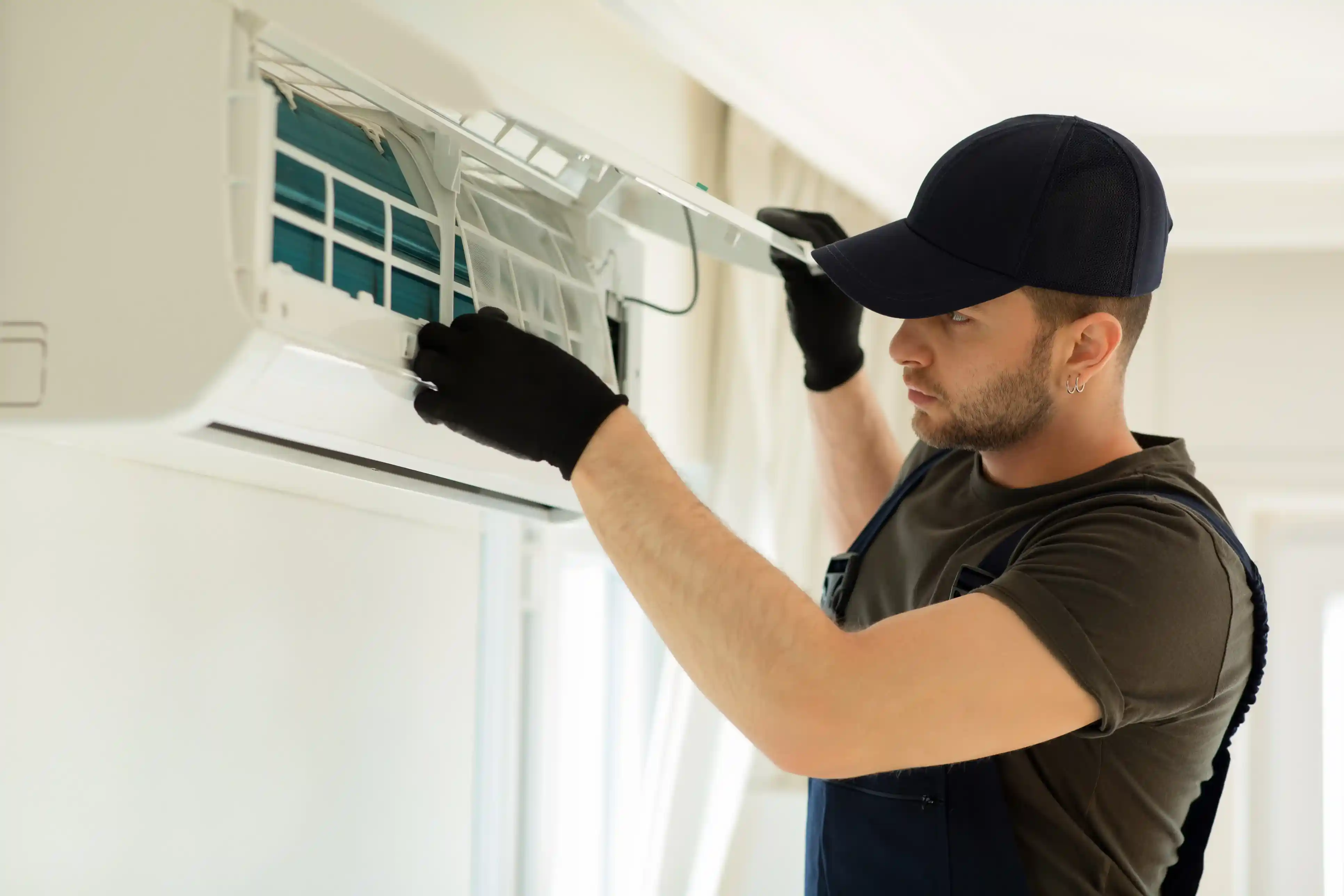
A successful AC replacement relies heavily on a technical process. We do not simply swap one box for another. Every home has a unique thermal footprint, and the installation must account for insulation levels, window placement, and the condition of the ductwork. Following a structured protocol ensures that the new system operates at peak factory specifications.
- Load Calculation and Sizing: The first step involves a Manual J load calculation. This engineering calculation determines exactly how much heat your home gains during the day. An undersized unit will run constantly and fail to cool, while an oversized unit will shut off too quickly (short-cycling), failing to dehumidify the space. Getting the size right is the foundation of efficiency.
- Site Preparation and Safety: Technicians prepare the workspace to protect your property. This involves laying down drop cloths and ensuring the electrical circuit is disconnected. The refrigerant from the old unit is recovered according to EPA regulations to prevent atmospheric venting.
- Ductwork Inspection and Modification: Even the best AC unit cannot overcome leaky or collapsed ducts. The installation team inspects the air distribution system. If the new unit requires a different plenum size or if there are obvious leaks, modifications are made to ensure the air reaches the intended rooms rather than leaking into the attic or crawlspace.
- Equipment Placement and Connection: The outdoor condenser is positioned on a composite pad to dampen vibration and keep it level. In coastal zones, ensuring the unit is elevated above potential standing water is critical. Inside, the evaporator coil and air handler (or furnace) are secured. Refrigerant lines are brazed using nitrogen purging to prevent oxidation inside the copper tubing.
- Vacuum and Charge: Once connected, a vacuum pump removes all moisture and air from the lines. This is a critical step; moisture left in the lines creates acid that destroys compressors. After achieving a deep vacuum, the system is charged with the precise amount of refrigerant required.
- System Testing and Commissioning: The final step is not just turning it on. Technicians measure static pressure, airflow, and temperature drop across the coil. They verify that the thermostat communicates correctly with the equipment and that all safety switches, such as the condensate overflow shutoff, are functional.
When to Stop Repairing and Choose Replacement
Homeowners often struggle with the decision of whether to repair an aging unit or invest in a new one. While repairs can extend the life of a system, there is a mathematical tipping point where replacement becomes the more prudent financial choice. Continuing to patch a failing system often results in throwing good money after bad, especially when efficiency losses are factored in.
Several indicators suggest that a system has reached the end of its viable service life.
- The Age of the System: Most air conditioners have a lifespan of 10 to 15 years. If your unit is approaching or has passed the 15-year mark, major components are likely to fail soon. In coastal areas with salt exposure, this lifespan can be shorter due to corrosion.
- The 50% Rule: A general industry guideline is the 50% rule. If the cost of a necessary repair approaches 50% of the value of a new system, replacement is the better option. This is particularly true if the unit is out of warranty.
- R-22 Refrigerant Requirements: Older units that utilize R-22 (Freon) are becoming prohibitively expensive to repair. R-22 production has ceased, and supplies are limited. If an older unit develops a refrigerant leak, upgrading to a system that uses R-410A or newer refrigerants is usually necessary.
- Frequency of Breakdowns: If you have required multiple repairs in the last two seasons, the system is becoming unreliable. The cumulative cost of service calls, parts, and the inconvenience of downtime often outweighs the monthly cost of financing a new unit.
- Rising Energy Bills: As components wear, motors create more friction and coils become fouled, causing the system to draw more amps to do the same amount of work. A sudden or steady increase in cooling costs suggests the system’s efficiency has degraded significantly.
Navigating Local Requirements and Coastal Factors
Installing an air conditioner in Pine Knoll Shores requires specific attention to local building codes and environmental factors. This is not a standard installation environment; the proximity to the ocean introduces salt spray, high humidity, and potential storm surges that standard inland installations do not face.
Airtech Mechanical Service Inc. understands that compliance and durability are non-negotiable in this region. The local building department may require permits for HVAC changeouts to ensure that electrical connections meet safety standards and that the unit complies with energy codes. These inspections are for your safety, ensuring that the high-voltage connections are secure and that the condensate drainage is routed to prevent water damage to the home structure.
- Corrosion Protection: Salt air accelerates corrosion on the delicate aluminum fins of the condenser coil. We recommend systems with enhanced coil guards or special coatings designed to resist galvanic corrosion. This extends the life of the unit and maintains heat transfer efficiency.
- Hurricane Preparedness: Local codes often dictate how the outdoor unit must be anchored. High winds during hurricane season can dislodge unsecure units. Proper tie-downs and securing the unit to a heavy pad or stand are essential steps to prevent damage during storms.
- Condensate Management: The high humidity in this area means your AC produces gallons of water daily. Proper drainage piping, traps, and safety float switches are vital to prevent ceiling leaks or water damage in crawl spaces.
- Electrical Infrastructure: Older beach homes may need electrical panel upgrades to handle modern equipment. Ensuring the breaker and wire gauge match the amperage requirements of the new unit prevents fire hazards and nuisance tripping.
The Importance of Professional Execution
The brand of air conditioner you choose is secondary to the quality of the installation. A top-tier unit installed poorly will perform worse than a mid-range unit installed perfectly. The longevity of the system is dictated by the procedures followed during the installation day.
Improper sizing is one of the most common issues in the industry. An oversized unit cools the air so fast that the thermostat shuts it off before the humidity has been removed. This leaves the home feeling clammy and can lead to mold growth in the ductwork. Conversely, a unit with a poor braze joint will leak refrigerant slowly, leading to a steady decline in performance and eventual compressor failure.
Professional installers also ensure that airflow is balanced. If the return air duct is too small, the system "suffocates," straining the blower motor. If the supply ducts are restricted, the rooms will cool unevenly. Specialized tools are used to measure these pressures and ensure the system breathes correctly.
Furthermore, manufacturer warranties are often contingent on proof of professional installation. If a compressor fails three years down the line, the manufacturer may require documentation that the unit was installed by a licensed contractor and that proper startup procedures were followed. DIY or handyman installations often void these protections, leaving the homeowner liable for expensive parts.
Securing Your Home Comfort
The decision to replace your air conditioner impacts your daily comfort, your monthly budget, and the value of your home. A well-functioning system fades into the background, providing consistent, quiet cooling regardless of the temperature outside. It filters the air you breathe and keeps the humidity at levels that protect your furniture and flooring.
Investing in a proper AC replacement eliminates the anxiety of potential breakdowns during the hottest weeks of the year. It transforms your home into a reliable sanctuary against the heat. Airtech Mechanical Service Inc. is dedicated to providing high-quality solutions that meet the specific challenges of the North Carolina coast, contact us today.
Do not wait for a total system failure to explore your options. Secure a reliable, efficient cooling system today.
Upgrade your home comfort with a professional AC replacement, schedule your consultation now.
Other Services