

AC Replacement in Craven, NC
In Craven, get professional AC replacement that ensures efficient cooling and lower energy costs. Contact us today for a comprehensive assessment and immediate installation options.
Is Your Cooling System Failing to Combat the Summer Humidity?
Facing the brunt of the humid summer in Craven with a failing AC is a situation no homeowner wants to endure, yet many find themselves needing urgent solutions when temperatures spike. Airtech Mechanical Service Inc. provides the expertise required to restore your indoor climate quickly and correctly. Contact us immediately to discuss financing options or to schedule a comprehensive assessment of your cooling needs.
Homeowners in this region know that a breakdown during July or August is more than an inconvenience; it is a safety concern. When your system stops removing heat or fails to dehumidify the air, your living space becomes uncomfortable rapidly. We prioritize efficient change-outs that minimize downtime.
- Experience cool comfort with same-day AC installation capabilities when inventory permits.
- Maximize efficiency and reduce monthly utility costs with modern, high-SEER energy-efficient units.
- Enjoy peace of mind with extended manufacturer warranties and dedicated emergency support.
- We are fully licensed and insured, offering flexible financing options to fit your specific budget requirements.
What to Expect From Professional AC Replacement
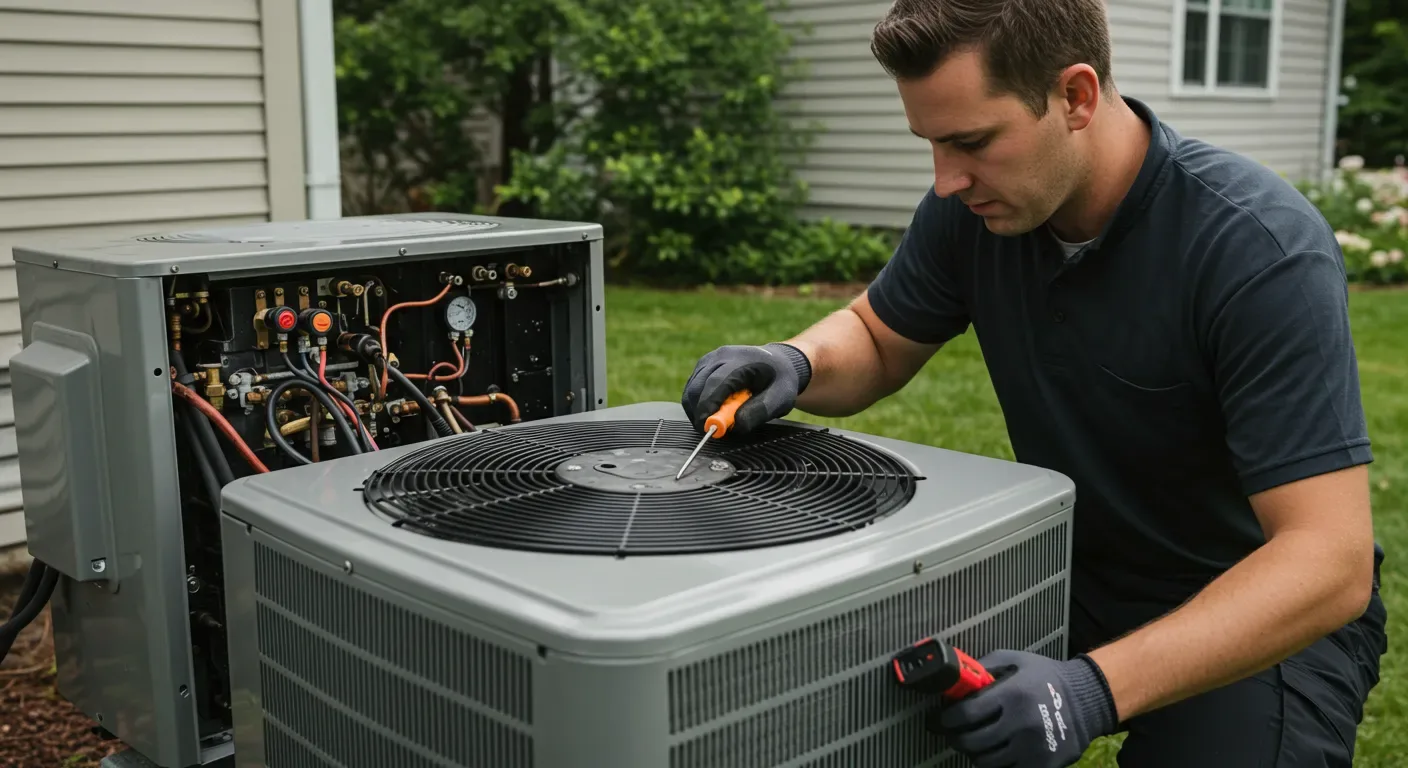
Replacing an air conditioning unit is a significant investment in your property’s infrastructure. The technology powering HVAC systems has advanced rapidly in the last decade. A modern replacement offers far more than just cold air; it provides total environmental control. Systems installed today operate with higher energy efficiency standards (SEER2), meaning they consume less electricity to provide the same amount of cooling compared to units manufactured just ten years ago.
In areas like Craven, humidity control is just as important as temperature reduction. Older single-stage units often cool a room too quickly without running long enough to pull moisture from the air. This leads to a "clammy" feeling, even when the thermostat reads a comfortable temperature. Modern two-stage or variable-speed compressors run for longer durations at lower capacities. This continuous operation allows the system to remove significantly more humidity, creating a drier, cooler, and more comfortable indoor environment.
Furthermore, a professional replacement includes a thorough evaluation of your existing ductwork. Connecting a high-efficiency unit to leaking or undersized ducts defeats the purpose of the upgrade. The goal is to ensure that the air you pay to cool actually reaches your living spaces rather than being lost in the attic or crawlspace. Enhanced filtration options can also be integrated during replacement to reduce dust, pollen, and allergens, improving overall indoor air quality.
Step-by-Step System Installation Protocol
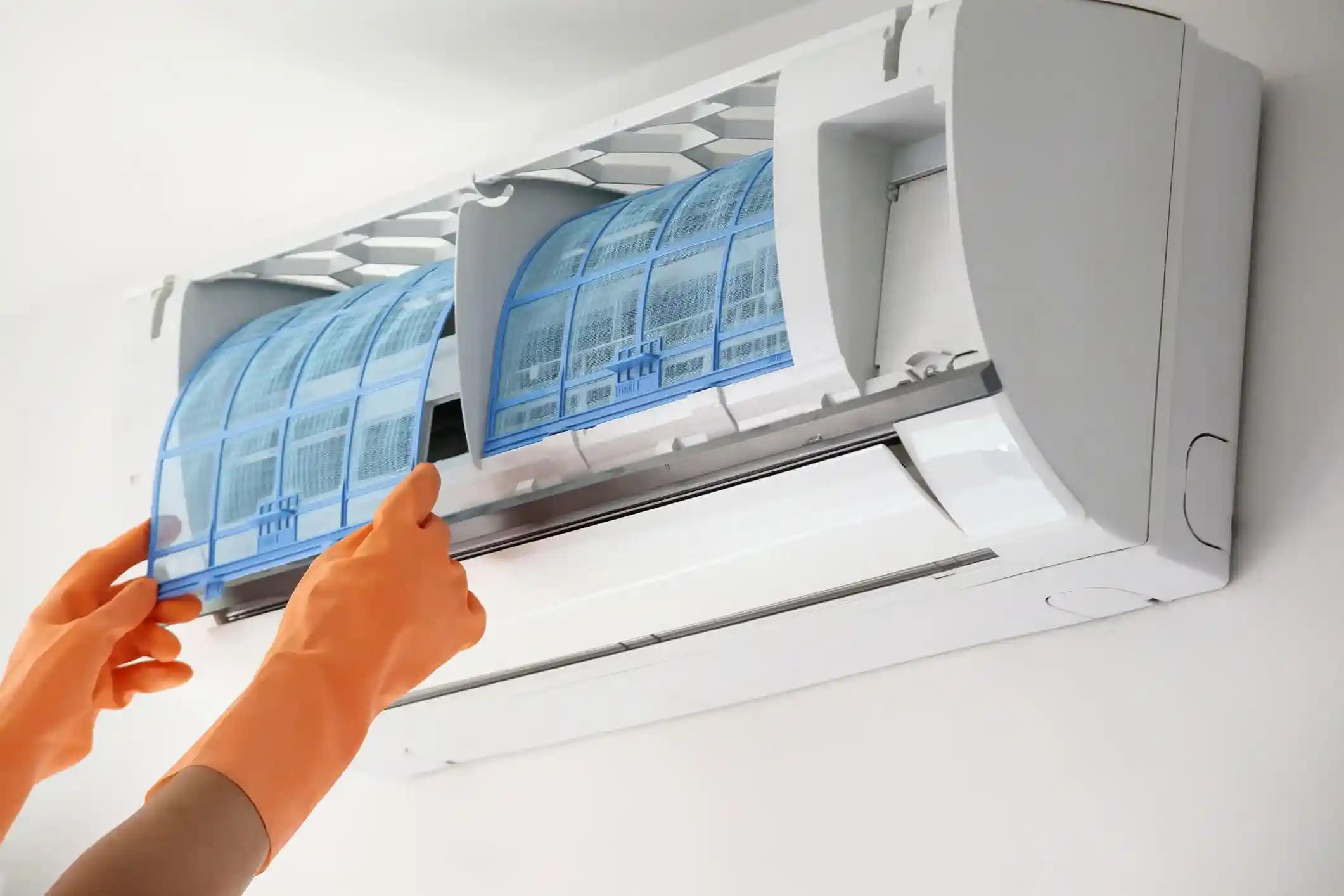
A high-quality air conditioner will fail prematurely if it is installed incorrectly. The installation process requires precision, adherence to safety codes, and specialized tools. We follow a strict protocol to ensure every system performs to the manufacturer's specifications.
- Site Evaluation and Load Calculation: Before any equipment is ordered, a technician assesses the thermal load of the home. This involves measuring square footage, insulation levels, window orientation, and local climate data. This calculation ensures the new unit is perfectly sized, neither too big (which causes short-cycling) nor too small (which causes the unit to run constantly).
- Safe Removal of Existing Equipment: The old unit is disconnected from the electrical grid and refrigerant lines. Certified technicians must recover the old refrigerant (especially if it is R-22) according to EPA regulations to prevent environmental contamination. The old equipment is then hauled away for proper disposal.
- Preparation of the Pad and Connections: The ground pad where the outdoor condenser sits is leveled or replaced to ensure stability. Hurricane straps or tie-downs may be installed depending on local wind zone requirements. Copper refrigerant lines are inspected, cleaned, or replaced if they are incompatible with the new system’s refrigerant type.
- Installation of Indoor and Outdoor Units: The evaporator coil and air handler (or furnace) are installed indoors, while the condenser is positioned outside. Great care is taken to braze copper line sets using nitrogen purging, a technique that prevents oxidation and future blockages in the refrigeration system.
- Electrical and Control Wiring: High-voltage wiring is connected with a new disconnect box for safety. Low-voltage wiring is routed to the thermostat. If a new smart thermostat is part of the package, it is installed and programmed to interface correctly with the new equipment.
- System Charging and Commissioning: The system is vacuumed to remove moisture and air from the lines. It is then charged with the precise amount of refrigerant required. Technicians measure static pressure and airflow to verify the system is operating within the design parameters.
Critical Indicators That Replacement Beats Repair
Deciding between repairing an aging unit and investing in a new system is a common dilemma. While repairs may seem cheaper upfront, they often act as a temporary bandage on a failing system. There are specific thresholds where replacement becomes the only financial logical choice.
- The 50% Rule: If the cost of the repair approaches 50% of the value of a new system, replacement is generally the better option. For example, replacing a compressor on an out-of-warranty unit is rarely cost-effective compared to putting that money toward a new machine with a fresh warranty.
- System Age: Most air conditioners have a lifespan of 10 to 15 years. If your unit is over 10 years old and facing a major repair, the technology is likely obsolete. Investing in a new unit resets the clock and provides access to modern efficiency.
- Refrigerant Type: Older units utilize R-22 (Freon), which has been phased out and is incredibly expensive to source. If an R-22 unit develops a leak, repairing it is often cost-prohibitive. New systems use R-410A or newer, more environmentally friendly refrigerants.
- Rising Energy Bills: As internal components wear down, motors and compressors must work harder to achieve the same cooling results. If your summer energy bills have been steadily climbing despite normal usage, the system has lost its efficiency. A new system can lower these costs immediately.
- Frequent Breakdowns: If you are calling for service multiple times a year, the cumulative cost of service calls and parts will quickly outpace the monthly cost of financing a new system. Reliability is a key factor; knowing your AC will work when a heat wave hits is invaluable.
Navigating Local Requirements and Seasonality
Operating in North Carolina requires specific attention to regional challenges. The climate in Craven is characterized by high humidity and significant rainfall, particularly during the late summer storm season. These environmental factors dictate specific installation practices that generic installers might overlook.
- Permitting and Inspections: Major HVAC replacements generally require a mechanical permit from the county or city building department. This ensures the installation meets safety codes regarding electrical connections and structural integrity. A final inspection by a local official protects the homeowner by verifying the work was done to code.
- Flood and Wind Protection: Because the region is prone to tropical storms and hurricanes, outdoor condensers must be secured properly. This often involves elevating the unit on a stand or pump-up to protect it from standing water and using approved tie-down straps to prevent the unit from tipping during high winds.
- Corrosion Management: For homes closer to the coast or brackish water, salt spray can accelerate the corrosion of aluminum coils. In these specific zones, recommending units with specialized coastal coatings or epoxy-coated coils is essential to extend the lifespan of the equipment.
- Utility Rebates: Local utility providers, such as Duke Energy or local co-ops, frequently offer rebates for upgrading to high-efficiency systems. These incentives can significantly offset the initial installation cost. Professional installers can help identify which equipment combinations qualify for these savings.
The Airtech Mechanical Service Inc. Approach to Cooling
Choosing the right contractor is just as important as choosing the brand of the air conditioner. A top-tier Trane or Carrier unit will underperform if the installation quality is poor. We focus on the technical details that ensure longevity. This includes proper nitrogen brazing, precise refrigerant charging using subcooling and superheat methods, and comprehensive duct analysis.
We do not believe in high-pressure sales tactics. Our role is to provide data and options so you can make an informed decision for your home. Whether you need a standard split system, a package unit, or a ductless mini-split for a bonus room, the recommendation is based on load calculations and your specific comfort goals.
Furthermore, we handle the logistics. From pulling the necessary permits to registering your equipment warranty with the manufacturer, we manage the administrative side of the project. This ensures that your warranty remains valid and you are fully compliant with local regulations.
Maximizing Lifespan Through Proper Maintenance
Once a new AC is installed, the goal is to keep it running at peak efficiency for as long as possible. Neglect is the number one cause of premature failure. Modern systems are sophisticated machines with sensors and circuit boards that require regular care.
- Filter Management: The simplest yet most critical task is changing the air filter. A clogged filter restricts airflow, causing the evaporator coil to freeze and the compressor to overheat. In our region, filters should be checked monthly during the summer.
- Coil Cleaning: The outdoor condenser coil releases heat. If it becomes clogged with grass clippings, dirt, or pollen, the system cannot release heat efficiently, driving up electric bills. Annual cleaning is necessary to maintain heat transfer capabilities.
- Condensate Drain Lines: The humidity removed from your home turns into water that must drain away. Algae and mold can grow in the drain line, causing clogs and potential water damage to ceilings or floors. Regular flushing of the condensate line prevents these issues.
- Electrical Component Checks: Capacitors and contactors wear out over time. During a maintenance visit, these components are tested to ensure they are within the manufacturer’s tolerance range. Replacing a weak capacitor early can prevent a much more expensive compressor failure later.
Securing Your Comfort for the Long Haul
The decision to replace an air conditioning system impacts your daily comfort and your financial bottom line for the next decade. By selecting a high-efficiency unit and ensuring it is installed according to rigorous industry standards, you protect your home against the sweltering heat and oppressive humidity typical of this region. Do not wait until the middle of a heat wave to make a frantic decision.
The right system, sized correctly and installed with precision, pays dividends in lower energy bills and consistent, quiet cooling. Airtech Mechanical Service Inc. is ready to guide you through this process, ensuring your home remains a sanctuary against the weather outside.
Don't let an unreliable AC compromise your summer comfort, Contact us today to schedule your replacement consultation.
Other Services