

AC Replacement in Beaufort, NC
Experience reliable and professional AC replacement in Beaufort, NC. Ensure your home remains comfortable and efficient with our expert installation services. Schedule now!
Is Your Air Conditioning System Failing to Handle the Humidity?
Living with an unreliable cooling system in the humid subtropical climate of the coast is not just uncomfortable; it creates safety risks and risks damage to your home’s interior from excess moisture. When your cooling system fails to keep up with the intense heat typical of Beaufort, NC, or breaks down completely during peak season, you need an immediate, permanent solution rather than another temporary patch. Contact us today to schedule your system assessment or click here to explore our flexible financing options.
Endure less and enjoy more with a professional AC replacement that restores balance to your indoor environment. Don’t let the oppressive weather wear you down when cooling relief is available through a structured, professional installation process.
- Quick, reliable installation: We prioritize scheduling to restore comfort rapidly, often offering expedited timelines for total system failures.
- Professional load calculation: We perform precise assessments to ensure the new unit is perfectly sized for your specific square footage and insulation levels.
- Transparent pricing structures: You receive a clear, upfront quote for the entire project with no hidden fees or surprise charges at the end of the job.
All Airtech Mechanical Service Inc. installations are fully up to code, backed by robust manufacturer warranties, and available with flexible financing options to fit your budget.
Comprehensive AC Replacement: What to Expect Today
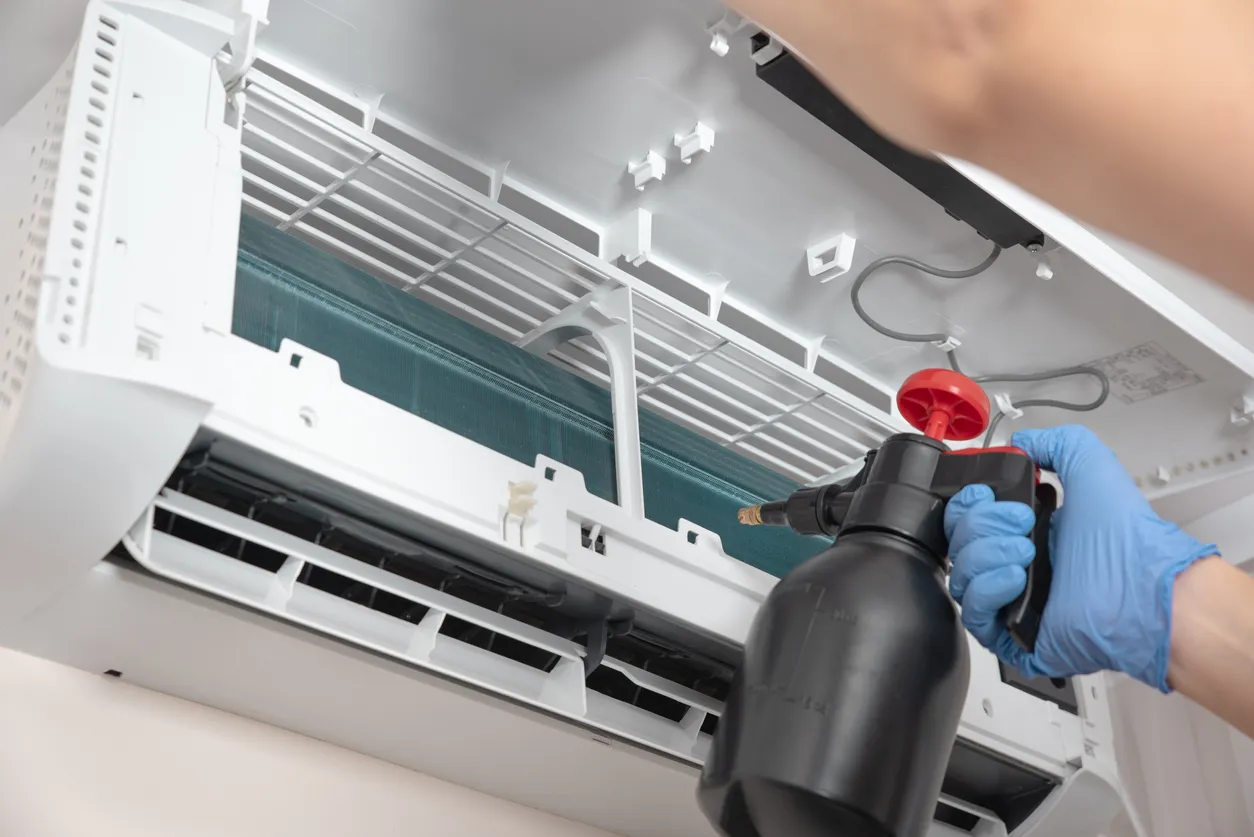
Replacing an air conditioning system involves more than simply swapping one box for another. Modern cooling technology has advanced significantly in the last decade, meaning a replacement today offers substantial improvements in energy efficiency, humidity control, and air quality compared to the unit currently sitting on your pad.
When you move forward with a replacement, the focus is on installing a system that lowers monthly energy consumption while providing consistent temperature control. High-efficiency systems, measured by their Seasonal Energy Efficiency Ratio (SEER2), use variable-speed compressors and advanced fan motors to modulate cooling output. This prevents the frequent "on-off" cycling that drives up electricity bills and wears down components.
In coastal areas like Beaufort, humidity control is the most critical function of an air conditioner. An oversized or aging unit cools the air too quickly without removing moisture, leaving the home feeling clammy and warm even at lower thermostat settings. A correctly installed replacement system runs long enough to pull moisture across the evaporator coil, draining it away effectively. This results in a drier, cooler home that feels comfortable at higher temperatures, further saving on energy costs.
The Systematic Installation Process
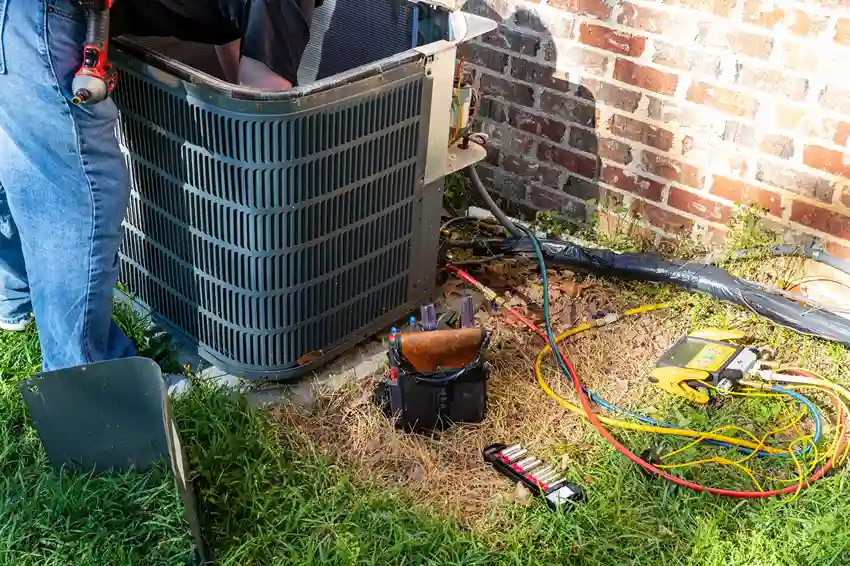
A high-quality installation is the most important factor in determining the lifespan of your new air conditioner. Even the most expensive equipment will fail prematurely if the installation does not strictly adhere to manufacturer specifications and industry best practices. We utilize a rigid protocol to ensure every component works in harmony.
- Site Evaluation and Manual J Calculation: Before any equipment is ordered, technicians perform a Manual J load calculation. This engineering standard calculates the exact amount of heating and cooling energy required for your specific home layout, window orientation, insulation quality, and local climate data. This step eliminates the guesswork that leads to short-cycling or inadequate cooling.
- Safe Removal and Disposal: The existing unit is disconnected from the electrical grid and refrigerant lines. Technicians safely recover any remaining refrigerant according to EPA regulations to prevent environmental contamination. The old equipment is then removed and disposed of properly, ensuring your property is kept clean.
- Pad and Ductwork Preparation: The ground pad is inspected for stability and leveling. If the pad has settled or cracked, it is replaced to ensure the new condenser sits level, which is vital for compressor longevity. Simultaneously, the connecting ductwork is inspected for leaks or damage. Sealing the plenum and immediate duct connections prevents conditioned air from escaping into the attic or crawlspace.
- System Installation: The new outdoor condenser and indoor air handler (or furnace coil) are positioned. Refrigerant lines are brazed using nitrogen purging techniques to prevent oxidation inside the copper tubing, a critical step that prevents future blockages. Electrical connections are tightened to torque specifications, and a new thermostat is integrated if required.
- Vacuum and Charge: A vacuum pump removes all moisture and air from the refrigerant lines. This is non-negotiable; moisture inside the lines turns into acid that destroys compressors. Once a deep vacuum is achieved, the system is charged with the precise amount of refrigerant specified by the manufacturer.
- Final Commissioning and Testing: The system is powered on and tested across all modes. Technicians measure static pressure, airflow, and temperature differentials (the drop in temperature between return air and supply air) to verify the system is performing at its rated efficiency.
Deciding Between Repair and Replacement
Determining whether to sink more money into an aging unit or invest in a new system is a purely financial and practical decision. There are specific thresholds where repair becomes a sunken cost that yields diminishing returns.
- The 50% Rule: A standard industry benchmark is the 50% rule. If the cost of the repair equals 50% or more of the value of a new system, replacement is the smarter financial move. This is particularly true if the current unit is out of warranty, meaning you are paying full price for both parts and labor.
- Age and Refrigerant Type: Most air conditioners have a lifespan of 10 to 15 years, specifically in coastal environments where salt air accelerates corrosion. If your unit is over 10 years old and requires a major component replacement, such as a compressor or evaporator coil, replacement is usually recommended. Furthermore, if your system utilizes the phased-out R-22 (Freon) refrigerant, repair costs will be exorbitant due to scarcity. Modern systems use R-410A or newer refrigerants, which are efficient, environmentally friendly, and affordable to service.
- Frequency of Breakdowns: If you have required repairs more than twice in the last two years, the system has likely entered its end-of-life phase. Continuing to repair a failing system is often referred to as "financing a failure." Monthly energy bills also provide a clue; if your usage has spiked despite normal weather patterns, the internal components are degrading and losing efficiency.
Navigating Local Requirements and Coastal Factors
Installing HVAC equipment in Beaufort requires adherence to specific local building codes and an understanding of the unique environmental challenges posed by the coast.
- Permitting and Inspections: Professional replacement is not a DIY project; it requires pulling the correct mechanical permits from the local building department. This ensures that the electrical connections meet safety standards and that the unit complies with energy codes. An unpermitted installation can cause significant issues when trying to sell your home or file an insurance claim. We handle the entire permitting process, including scheduling the final inspection to certify the work is compliant.
- Hurricane Preparedness: Given the risk of hurricanes from June to November, local codes often dictate how the outdoor condenser must be secured. We utilize hurricane-rated tie-downs and heavy-duty anchors to secure the unit to the concrete pad. This prevents the unit from tipping or becoming a projectile during high-wind events, protecting both the equipment and your home structure.
- Salt Air Corrosion Protection: The salt-laden air in coastal North Carolina is aggressive toward metal. Standard aluminum fins on condenser coils can disintegrate over time, leading to refrigerant leaks and loss of heat transfer. We recommend and install units designed with coastal corrosion protection packages or apply specialized coatings to the coils to extend the life of the system against the elements.
- Dehumidification Capabilities: In this region, the latent heat (humidity) load is often higher than the sensible heat (temperature) load. We prioritize systems with two-stage or variable-speed compressors. These units can run at lower speeds for longer periods. This "low and slow" operation is the most effective way to pull moisture out of the air, ensuring your home doesn't feel sticky even when the thermostat reads 72 degrees.
Why Proper Sizing Matters More Than Brand
One of the most common misconceptions in the HVAC industry is that a bigger unit is better. This is false. An oversized air conditioner is one of the leading causes of premature system failure and poor indoor comfort.
If a unit is too large for the home, it will cool the air incredibly fast, so fast that it satisfies the thermostat setting before it has had time to dehumidify the air. This results in "short cycling," where the motor turns on and off frequently. This creates massive wear and tear on the compressor (the heart of the system) and leads to large temperature swings.
Conversely, an undersized unit will run continuously, never reaching the desired temperature on hot afternoons, driving up electric bills and overheating the compressor.
Airtech Mechanical Service Inc. rejects "rule of thumb" sizing. We look at the windows, the direction the house faces, the insulation in the attic, and the heat-generating appliances in the kitchen. By matching the BTU output exactly to the heat gain of the structure, we ensure the system runs in long, efficient cycles that maximize dehumidification and minimize mechanical stress.
Ensuring Long-Term Performance
Investing in a new air conditioning system is a significant decision for any homeowner. The goal is to secure a system that operates quietly in the background, keeping utility costs predictable and indoor air quality high.
Beyond the installation, the longevity of the system depends on the quality of the equipment selected and the protection plans in place. We assist in registering all equipment warranties immediately upon installation to ensure you have full manufacturer coverage on parts.
We also verify that the electrical infrastructure supporting the AC is sound. This includes checking the disconnect box, the whip (the external wiring from the wall to the unit), and the breaker panel. Old, worn-out breakers can trip unnecessarily or fail to trip during a surge, putting the new electronics at risk.
By addressing the complete picture, from load calculation and code compliance to corrosion protection and electrical safety, we provide a turnkey solution that solves the cooling problem definitively.
Secure Your Comfort and Efficiency
Delaying the replacement of a failing air conditioner only leads to higher energy bills, increased risk of total breakdown during a heatwave, and continued discomfort from high humidity. A modern, professionally installed system transforms the indoor environment, providing consistent cooling and peace of mind regardless of the forecast.
Take control of your home’s climate. Secure a system designed for the coastal environment and installed to the highest industry standards.
Contact us now to schedule your comprehensive system evaluation and replacement consultation.
Other Services