

AC Maintenance in Craven, NC
Beat the heat and humidity in Craven with Airtech Mechanical Service Inc. Schedule a comprehensive AC maintenance to ensure your unit's efficiency and longevity. Secure your comfort today!
Is High Humidity Overworking Your Air Conditioner?
Facing the brunt of Craven’s humid summers with a faltering air conditioner can be overwhelming when indoor temperatures refuse to drop. If your system runs constantly without cooling effectively, contact us immediately to schedule a comprehensive inspection or apply for financing.
High humidity combined with 90°F heat creates a heavy workload for any HVAC system, leading to unexpected breakdowns if the equipment is not optimized. Airtech Mechanical Service Inc. provides targeted maintenance solutions designed to handle the specific climate challenges in Craven, NC.
- Quick diagnosis and service prioritization to restore cooling performance immediately.
- Comprehensive maintenance plans designed to extend equipment lifespan and prevent mid-summer failures.
- Expert assessment of energy efficiency to help lower utility costs during peak usage months.
All services are performed by certified technicians, ensuring full compliance with local codes and offering flexible financing options for major repairs or replacements.
What You Can Expect From Professional AC Maintenance
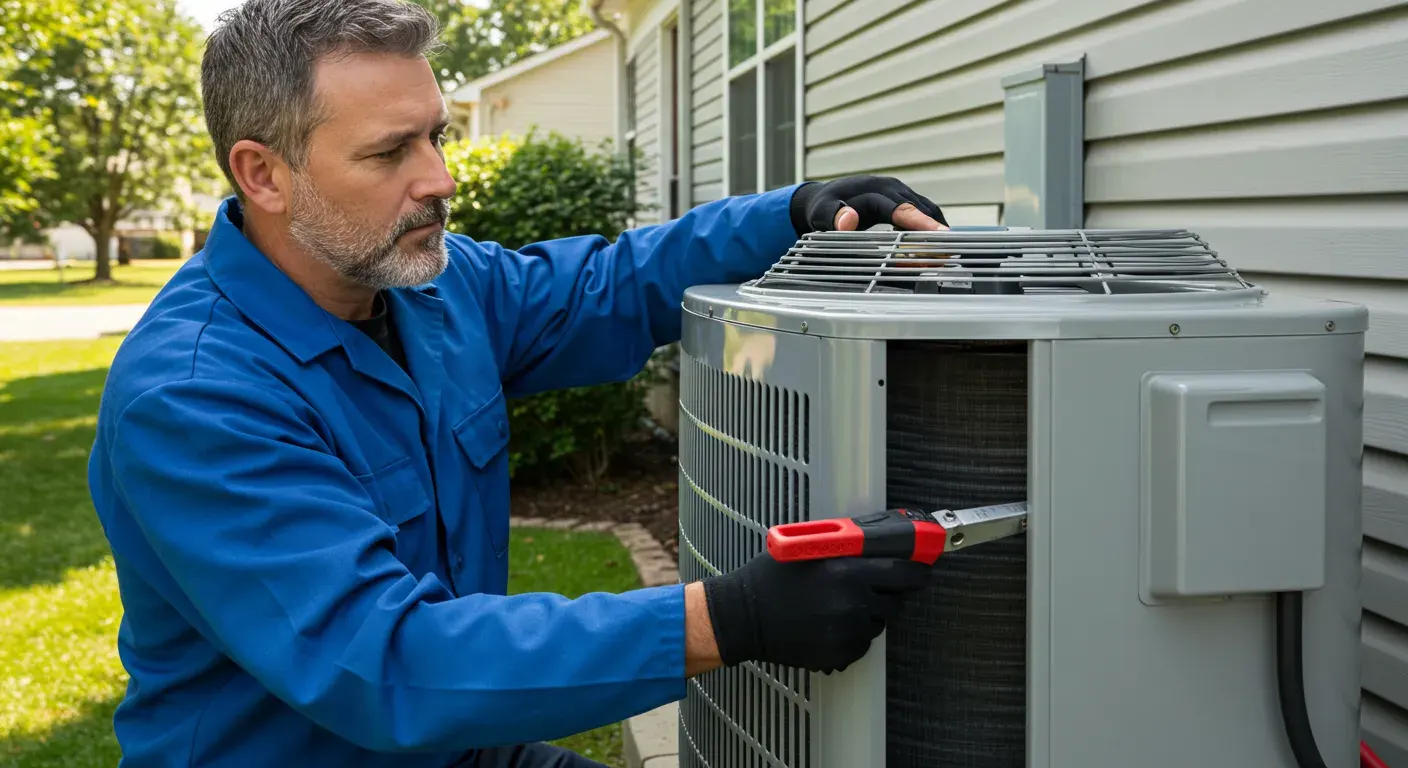
A true maintenance visit is not merely a visual inspection; it is a rigorous tune-up intended to restore the system to factory specifications. In the humid climate of Craven, a system that turns on but fails to remove moisture is essentially useless. The objective of professional maintenance is to maximize the "latent capacity" of the unit, its ability to pull water out of the air, while ensuring the mechanical components are not drawing excess amperage.
When a technician arrives at your property, the focus is on three core areas: airflow, electrical integrity, and refrigerant balance. A deficiency in any single area triggers a domino effect that spikes energy bills and shortens the compressor's life.
The Scope of a Standard Tune-Up
Residents often ask what is included in a routine service call. A professional maintenance visit includes a detailed checklist that addresses every moving part of the cooling system:
- Evaporator and Condenser Coil Cleaning: Dirt accumulation on coils acts as an insulator, preventing the heat transfer necessary for cooling. In humid environments, a dirty evaporator coil can freeze over, completely blocking airflow. Technicians chemically clean these coils to ensure maximum efficiency.
- Condensate Drain Line Flush: Air conditioners remove gallons of water from the air daily during the summer. If the drain line clogs with algae or sludge, water can back up, triggering safety switches that shut down the unit or causing water damage to the home. Flushing these lines is critical for humidity control.
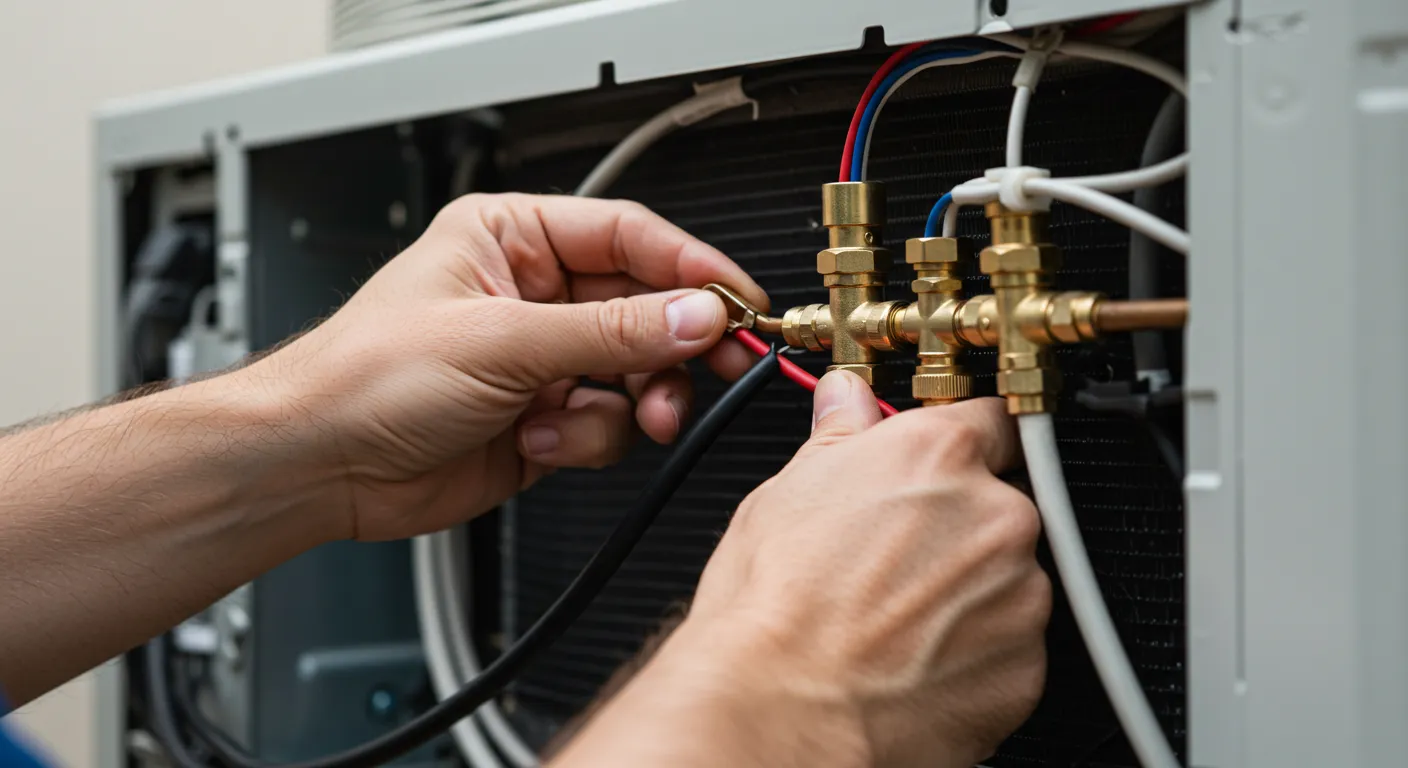
- Refrigerant Level Assessment: Incorrect refrigerant levels, either too low or too high, drastically reduce cooling power and can damage the compressor. Technicians measure superheat and subcooling to ensure the charge is exact.
- Electrical Component Tightening: Vibration loosens electrical connections over time. Loose connections create resistance and heat, leading to burnt wires or failed components. Tightening these connections prevents sudden electrical failures.
- Capacitor Testing: Capacitors provide the torque needed to start the compressor and fan motors. A weak capacitor forces the motor to work harder, leading to burnout. Testing and replacing weak capacitors is a proactive step that saves the cost of a full motor replacement later.
How the Maintenance Process Works
Understanding the sequence of a maintenance visit helps homeowners prepare and ensures transparency regarding the work being performed. The process is systematic, designed to uncover hidden issues before they become emergency repairs.
- System Assessment and Safety Check: First, the technician conducts a safety evaluation of the unit’s location and general condition. This includes checking for debris around the outdoor unit and ensuring the area is safe for electrical testing.
- Filter and Airflow Analysis: Next, the air filter is inspected. If the filter is clogged, it restricts airflow, causing the system to struggle. The technician checks static pressure to verify that air is moving through the ductwork without restriction.
- Mechanical and Electrical Inspection: Following the airflow check, the technician opens the access panels to inspect internal components. This involves checking the contactor for pitting, measuring motor amperage, and testing the thermostat's calibration to ensure the temperature reading matches the actual room temperature.
- Cleaning and Calibration: Once inspections are complete, the cleaning process begins. This includes washing the outdoor condenser coil and clearing the condensate trap. The technician then calibrates the system for optimal operation based on the current weather conditions.
- Final Performance Test: Finally, the system is run through a complete cycle. The technician measures the temperature split, the difference in temperature between the air entering and leaving the system. A proper split indicates the unit is cooling and dehumidifying effectively.
Deciding When to Replace vs. Repair
Homeowners frequently face the dilemma of sinking money into an aging unit or investing in a new system. This decision should be based on data and financial logic rather than guesswork. In the HVAC industry, specific metrics help determine the most cost-effective path.
The $5,000 Rule
A common benchmark used by professionals is the $5,000 rule. Multiply the age of the air conditioner by the estimated cost of the repair. If the total exceeds $5,000, replacement is generally the wiser financial choice.
- Example: If a unit is 12 years old and requires a $600 repair, the score is 7,200 (12 x 600). In this scenario, the money is better spent on a new system with a warranty.
- Example: If a unit is 5 years old and needs a $600 repair, the score is 3,000 (5 x 600). Repairing is likely the better option.
R-22 vs. R-410A Refrigerant
Older systems utilizing R-22 (Freon) are becoming prohibitively expensive to repair due to the global phase-out of this refrigerant. If a system relies on R-22 and develops a leak, the cost of recharging the unit often approaches the cost of a down payment on a modern, high-efficiency system.
Efficiency Ratings (SEER)
Modern systems have higher Seasonal Energy Efficiency Ratios (SEER). Replacing a 10 SEER unit with a 16 SEER unit can result in significant energy savings. Airtech Mechanical Service Inc. technicians can calculate the potential return on investment based on local energy rates and usage patterns, helping you decide if the monthly savings justify the upfront cost of replacement.
Frequency of Breakdowns
If a system requires repairs more than once a season, it has reached the end of its reliable service life. Repeated service calls not only accumulate cost but also increase the risk of a total failure during a heatwave, leaving the property without cooling when it is needed most.
Local Climate Factors Affecting Your AC
Operating an air conditioner in Craven requires specific attention to environmental factors that are not present in drier or cooler climates. The combination of high heat and high humidity creates a unique stress profile for HVAC equipment.
Managing High Humidity
The primary function of an AC in this region is dehumidification. If a unit is oversized, it will cool the air too quickly and shut off before it has removed the moisture. This leads to a "clammy" indoor environment and promotes mold growth in ductwork. Proper maintenance ensures the system runs long enough to pull moisture out of the air, maintaining a comfortable and healthy indoor atmosphere.
Salt and Corrosion
For properties located near water, salt spray can accelerate the corrosion of the aluminum fins on the outdoor condenser coil. This corrosion reduces the unit's ability to release heat. Maintenance visits in these areas often include rinsing the coils to remove salt deposits and inspecting the integrity of the metal to prevent leaks.
Hurricane and Storm Preparation
The storm season brings heavy rain and high winds. Part of the maintenance protocol in this region involves ensuring the outdoor unit is securely anchored to its pad. Technicians also check for surge protection. Lightning strikes and power surges are common during summer storms, and a single surge can destroy the compressor or control board. Installing a whole-home surge protector or a dedicated compressor saver is often recommended.
Vegetation and Airflow
The lush growing season means that shrubs, vines, and grass can quickly encroach on the outdoor unit. For the system to function correctly, it requires at least two feet of clearance on all sides. Maintenance includes advising homeowners on vegetation management to prevent the unit from suffocating and overheating.
Why Professional Execution Matters
While some homeowners attempt DIY maintenance, the complexity of modern HVAC systems requires professional tools and training. Checking refrigerant pressures without losing gas, safely testing high-voltage electrical components, and chemically cleaning coils without damaging the fins are tasks that demand certification.
Code Compliance and Safety
HVAC work is governed by strict local building codes to ensure safety and energy conservation. Professional technicians are versed in these regulations. Whether it involves wiring standards or refrigerant handling protocols, adhering to code protects the homeowner from liability and safety hazards.
Warranty Preservation
Most equipment manufacturers require proof of annual maintenance by a licensed professional to keep the warranty valid. Neglecting professional service can void the warranty, leaving the homeowner responsible for the full cost of parts that would otherwise be covered.
Preventative vs. Reactive Approach
The shift from a reactive mindset (fixing it when it breaks) to a preventative mindset (maintaining it so it doesn't break) is the most effective way to manage household operating costs. Regular attention reveals small issues, like a fraying belt or a slightly leaking capacitor, that are cheap to fix before they cause catastrophic system failure.
Long-Term System Health
Just as a vehicle requires oil changes to reach high mileage, an air conditioner requires clean coils and proper lubrication to reach its 15-year lifespan. Systems that are neglected often fail around the 8 to 10-year mark, forcing premature capital expenditure.
Maintaining a cool, dry, and comfortable home in Craven is non-negotiable during the summer months. By prioritizing professional maintenance, homeowners ensure their systems are prepared to handle the heat load efficiently and reliably. For dependable service that keeps your environment controlled and your energy bills manageable, rely on Airtech Mechanical Service Inc. to deliver results.
Secure your comfort today. Schedule your AC maintenance service now.
Preventive Maintenance That Reduces System Wear
Professional AC maintenance in Craven, NC, plays a critical role in preserving component integrity and operational efficiency. Airtech Mechanical Service Inc. conducts detailed maintenance procedures aimed at minimizing system stress and preventing avoidable breakdowns. Neglected maintenance frequently shortens equipment lifespan. Our maintenance approach supports sustained performance.
Protect long-term cooling performance with maintenance designed for durability.
Proceed With Professional AC Maintenance Services
Other Services