

AC Installation in Hampstead, NC
Need efficient AC installation in Hampstead? Airtech ensures precise installations tailored to coastal challenges. Contact us today for a detailed estimate!
Eliminate Inconsistent Cooling and Rising Energy Costs
Living with a failing air conditioning unit in Hampstead means battling high humidity and oppressive heat inside your own home. If your system is short-cycling, blowing warm air, or causing your electric bill to spike unexpectedly, you need a solution before the system fails completely. Contact us now to schedule an assessment and secure your comfort.
Airtech Mechanical Service Inc. provides precise, code-compliant AC installation designed to handle the specific climate challenges of the North Carolina coast. We replace inefficiency with reliable performance, ensuring your new system is sized correctly and installed to manufacturer specifications.
- Rapid response times to restore a cool, safe environment in your home.
- Upfront, transparent pricing structures so you know the full cost before work begins.
- Installation of high-efficiency equipment built to withstand coastal salt air and humidity.
All installations are performed by licensed professionals, fully adhering to local safety codes and backed by comprehensive warranties for your long-term peace of mind.
Comprehensive System Sizing and Equipment Selection
A proper air conditioning installation involves much more than swapping out an old box for a new one. The most critical aspect of the installation process happens before a single bolt is turned: the load calculation. In Hampstead, where humidity levels remain high throughout the year, an oversized unit will cool the room too quickly without removing moisture, leading to a clammy, uncomfortable home and potential mold growth. Conversely, an undersized unit will run continuously, failing to reach the set temperature and driving up utility costs.
We utilize Manual J load calculations to determine the exact cooling requirements of your property. This calculation factors in the square footage, insulation levels, window placement, and even the orientation of your home relative to the sun. Once the correct size is determined, we help you select equipment with the appropriate SEER2 (Seasonal Energy Efficiency Ratio) rating. Modern systems offer variable-speed compressors and multi-stage cooling, which allow the unit to run at lower speeds to maintain temperature and dehumidify the air more effectively than older, single-stage models.
When you invest in a new installation, the scope of work includes:
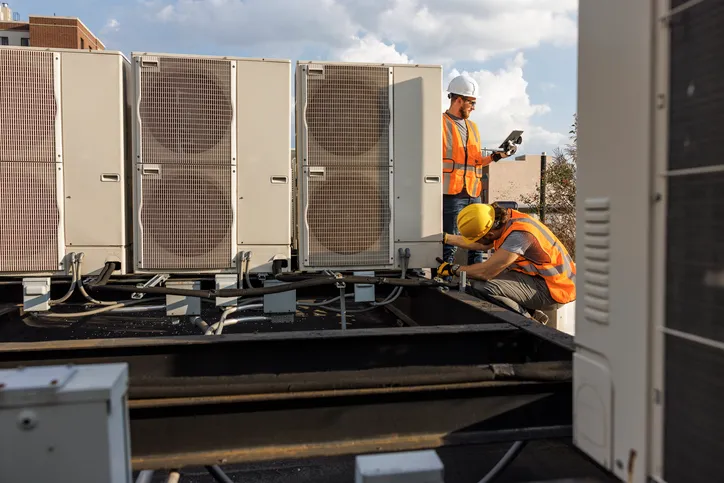
- Outdoor Condenser Placement: Positioning the unit on a composite pad that resists vibration and settling, ensuring proper clearance for airflow and serviceability.
- Indoor Evaporator Coil Installation: Matching the indoor coil to the outdoor unit to maximize efficiency and prevent pressure imbalances in the refrigerant lines.
- Refrigerant Line Set: Inspecting existing copper lines for integrity and cleanliness, or installing new lines if the previous system utilized incompatible refrigerant types.
- Drainage Management: Installing primary and secondary condensate drain lines with safety float switches to prevent water damage to your ceilings or floors in the event of a clog.
- Thermostat Integration: Setting up smart thermostats or programmable controls that allow you to manage humidity and temperature schedules for optimal efficiency.
The Installation Process: From Removal to Validation
A professional installation is defined by a structured workflow that prioritizes safety, cleanliness, and technical accuracy. We recognize that replacing an HVAC system is a significant project, and our technicians minimize disruption to your daily routine while ensuring every connection is secure.
The process follows a strict sequence of events:
Site Protection and Safety:
The team begins by laying down drop cloths and wearing shoe covers to protect your flooring. Power to the existing HVAC system is disconnected at the main panel to ensure electrical safety during the removal process.
Refrigerant Recovery and Disposal:
Existing refrigerant is not vented into the atmosphere. It is recovered into specialized tanks according to EPA regulations. The old equipment is then disconnected, removed from the premises, and disposed of or recycled responsibly.
System Positioning and Connection:
The new indoor and outdoor units are set in place. Technicians braze the copper refrigerant lines using nitrogen purging. This step is critical; flowing nitrogen through the lines while brazing prevents oxidation and scale buildup inside the pipe, which could otherwise clog the sensitive valves of the new unit.
Electrical and Ductwork Integration:
High-voltage and low-voltage electrical connections are established and tightened. The plenum (the transition between the unit and ductwork) is sealed with mastic or foil tape to prevent air leakage. An airtight seal is essential for ensuring that the cool air you pay for actually enters your living space rather than leaking into an attic or crawlspace.
Vacuum and Charge:
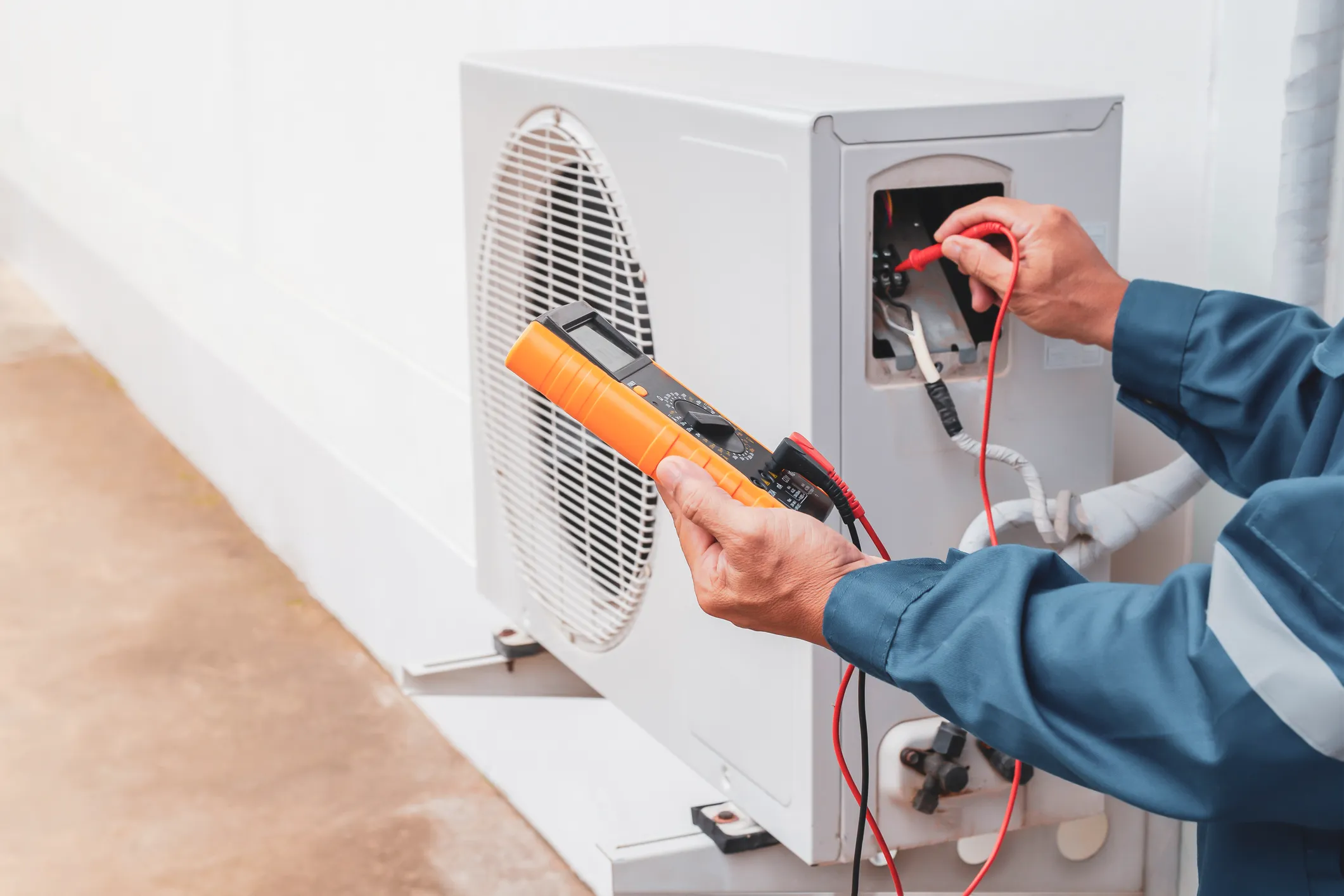
A vacuum pump is attached to the system to remove all moisture and air from the refrigerant lines. This deep vacuum is verified with a micron gauge. Once the vacuum holds, the factory-specified amount of refrigerant is released into the system.
Commissioning and Testing:
The system is powered on, and technicians measure static pressure, airflow, and temperature drop across the coil. This "start-up" phase verifies that the unit is operating within the manufacturer's performance curve.
Deciding Between Repair and Replacement
Determining whether to invest in another repair or opt for a full replacement is a decision based on financial logic and system age. While a simple capacitor failure is worth repairing, major component failures in aging systems often signal the end of the unit's useful life. Homeowners in Hampstead often use the "$5,000 Rule" as a baseline for this decision. Multiply the age of your equipment by the estimated cost of the repair. If the total exceeds $5,000, replacement is generally the more improved financial option.
You should consider replacement if your current situation involves the following:
R-22 Refrigerant Dependency:
If your system utilizes R-22 (Freon), it is legally obsolete. Production of this refrigerant has ceased, making refills exorbitantly expensive. A leak in an R-22 system is rarely worth repairing due to the cost of the refrigerant alone.
Compressor Failure:
The compressor is the heart of the system. Replacing a compressor in a unit that is out of warranty is labor-intensive and costly. Often, the price of a compressor change-out approaches the cost of a brand-new outdoor unit.
Frequent Short-Cycling:
If the unit turns on and off rapidly, it places immense stress on electrical components. This is often a sign of an oversized unit or a failing compressor. Continued repair of secondary damage caused by short-cycling is throwing money away.
Inefficient Energy Usage:
Systems installed over 10 years ago likely have SEER ratings of 10 or 12. Modern standards require higher efficiency. upgrading to a 15+ SEER2 system can result in significant monthly savings, effectively helping the new system pay for itself over time.
Local Installation Considerations and Codes
Installing air conditioning in coastal North Carolina requires adherence to specific local codes and an understanding of environmental factors that do not affect inland areas. The salt air in Hampstead accelerates corrosion on standard aluminum fins and copper tubing. Neglecting these environmental factors leads to premature failure of the outdoor coil.
When planning your installation, we account for these regional requirements:
Corrosion Protection:
We recommend equipment with factory-applied coastal corrosion inhibitors or epoxy-coated coils. This protection is vital for extending the lifespan of the condenser against the salt spray prevalent in the area.
Hurricane and Wind Ratings:
Local building codes mandate that outdoor units be secured to their pads with specific tie-down straps or brackets. These anchors prevent the unit from tipping or becoming a projectile during tropical storms or hurricanes.
Permitting and Inspections:
Pender County and local municipalities require mechanical permits for all HVAC replacements. This process ensures the electrical connections meet fire safety standards and the mechanical installation complies with energy codes. A final inspection by a county official is standard procedure to close the permit.
Condensate Management in Humid Climates:
Given the high latent heat (humidity) in the region, AC units generate significant amounts of condensate water. Code requires secondary drain pans and emergency shut-off switches, particularly if the air handler is located in an attic. This prevents water from overflowing and damaging drywall ceilings during peak summer operation.
Why Technical Precision Matters
The longevity of your air conditioning system is dictated 20% by the brand of the equipment and 80% by the quality of the installation. A top-tier brand installed poorly will fail sooner and run less efficiently than a mid-range brand installed perfectly. Improper brazing leads to refrigerant leaks; poor duct sealing leads to energy loss; and incorrect sizing leads to humidity issues.
At Airtech Mechanical Service Inc., we prioritize technical precision over speed. We do not skip the nitrogen purge, we do not guess on the refrigerant charge, and we do not eyeball the ductwork transitions. By adhering to strict installation protocols, we ensure that the manufacturer’s warranty remains valid and that the system performs at its rated efficiency from day one.
Our approach focuses on the total home comfort system. We evaluate the intake and supply vents to ensure balanced pressure in every room. We verify that the electrical circuit can handle the amperage of the new unit, upgrading breakers or disconnect boxes if necessary. This holistic view prevents nuisance tripping and ensures the electrical safety of your home.
When you choose a professional installation, you are investing in:
Correct Airflow:
Ensuring the blower motor speed is adjusted to match the ductwork static pressure, providing quiet and effective air distribution.
Manufacturer Compliance:
Registering your equipment immediately to ensure you receive the full parts warranty, which often extends from 5 years to 10 years upon registration.
Future Serviceability:
Installing the unit with service ports accessible and filters easy to change, reducing the cost and time required for future maintenance visits.
Call Now
In the heat of a North Carolina summer, your AC is the most critical appliance in your home. Don't leave its performance to chance. Secure a system that is designed for your specific home layout and local weather patterns.
Take control of your indoor climate today. Contact us to request a comprehensive estimate for your new AC installation.
Other Services