

AC Installation in Emerald Isle, NC
Beat the heat with our professional AC installation in Emerald Isle. Same-day service available! Ensure your comfort with a new, efficient air conditioning system. Contact us today.
Stuck with a Broken AC? Get Cooling Relief Fast
Nothing is worse than an AC breakdown during the Emerald Isle’s steamy summer months, where high humidity turns indoor spaces uncomfortable in minutes. When you need relief from the heat, fast and reliable service isn’t just a luxury, it is a necessity to protect your home and your comfort. Contact us immediately to schedule your installation or click here to view our available financing options.
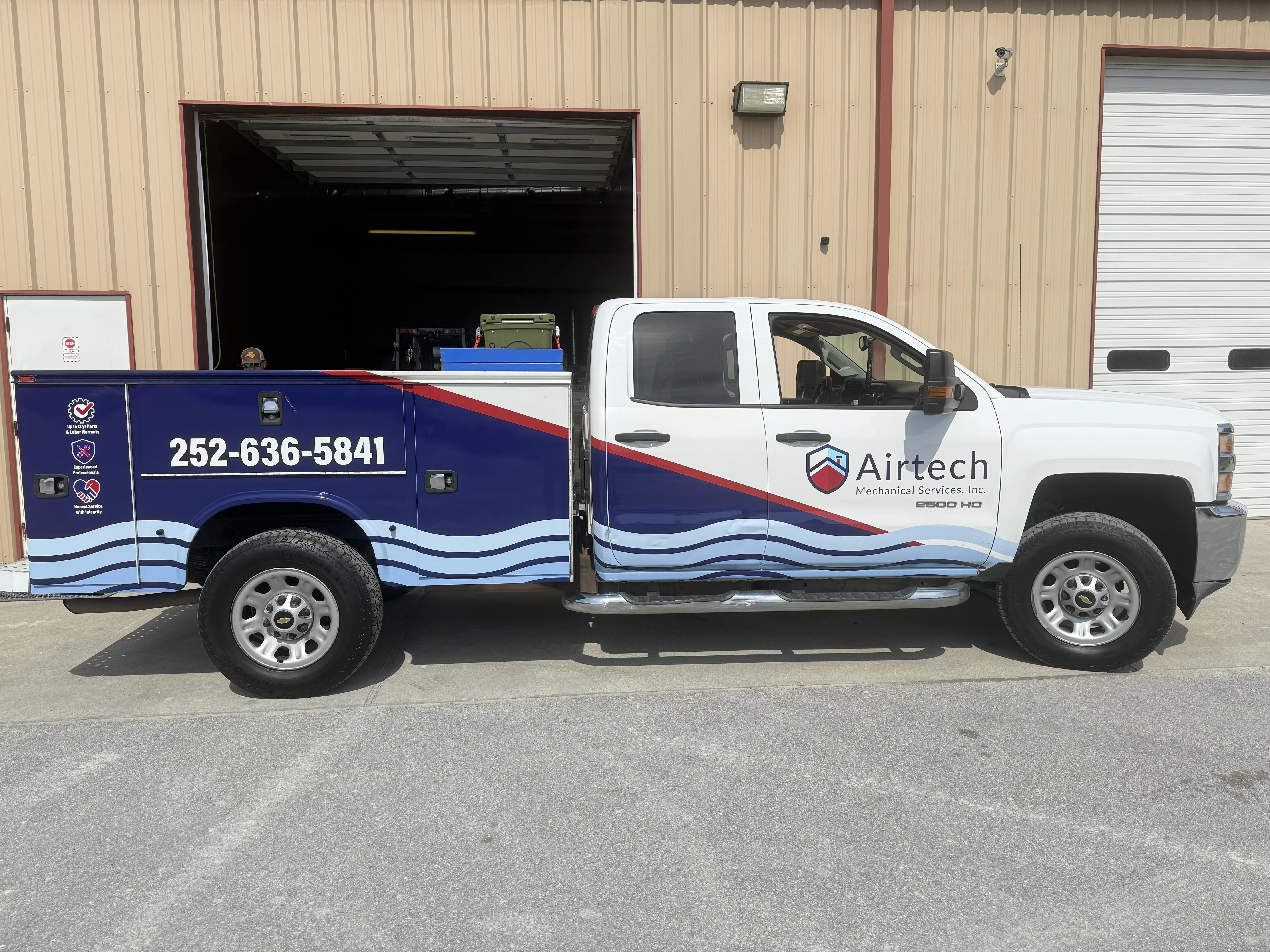
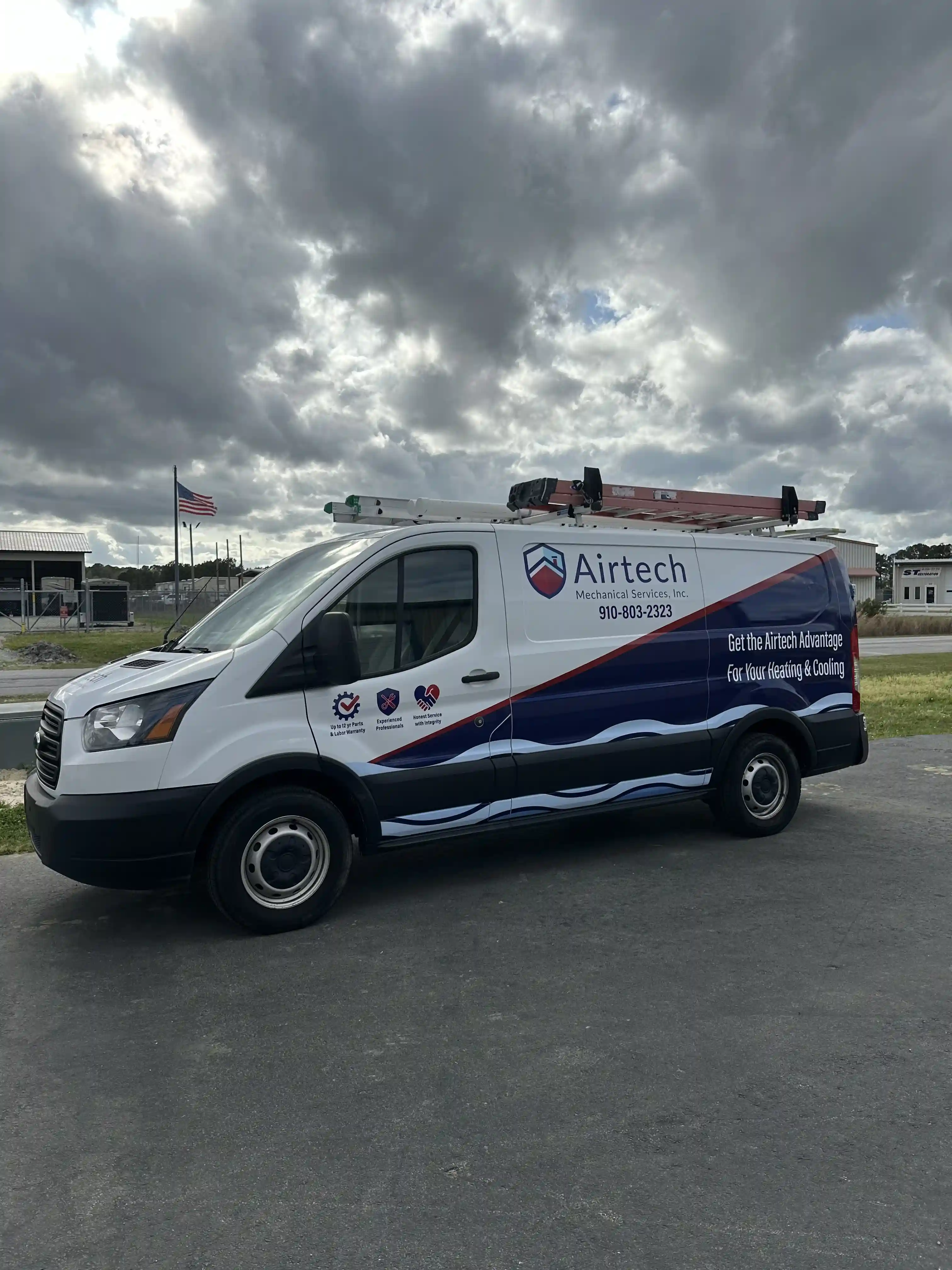
We understand that a failing cooling system disrupts your entire life, which is why our approach focuses on speed without sacrificing technical accuracy. Airtech Mechanical Service Inc. provides the rapid response required when temperatures spike along the coast.
- Same-day service ensures you are not left battling the coastal heat for long.
- Expert technicians are available 24/7 to address your AC woes promptly and professionally.
- Comprehensive warranty protection provides long-term peace of mind post-installation.
All installations come with comprehensive warranties and adhere to local building codes, ensuring you get only the best service.
What You Get With A Complete System Installation
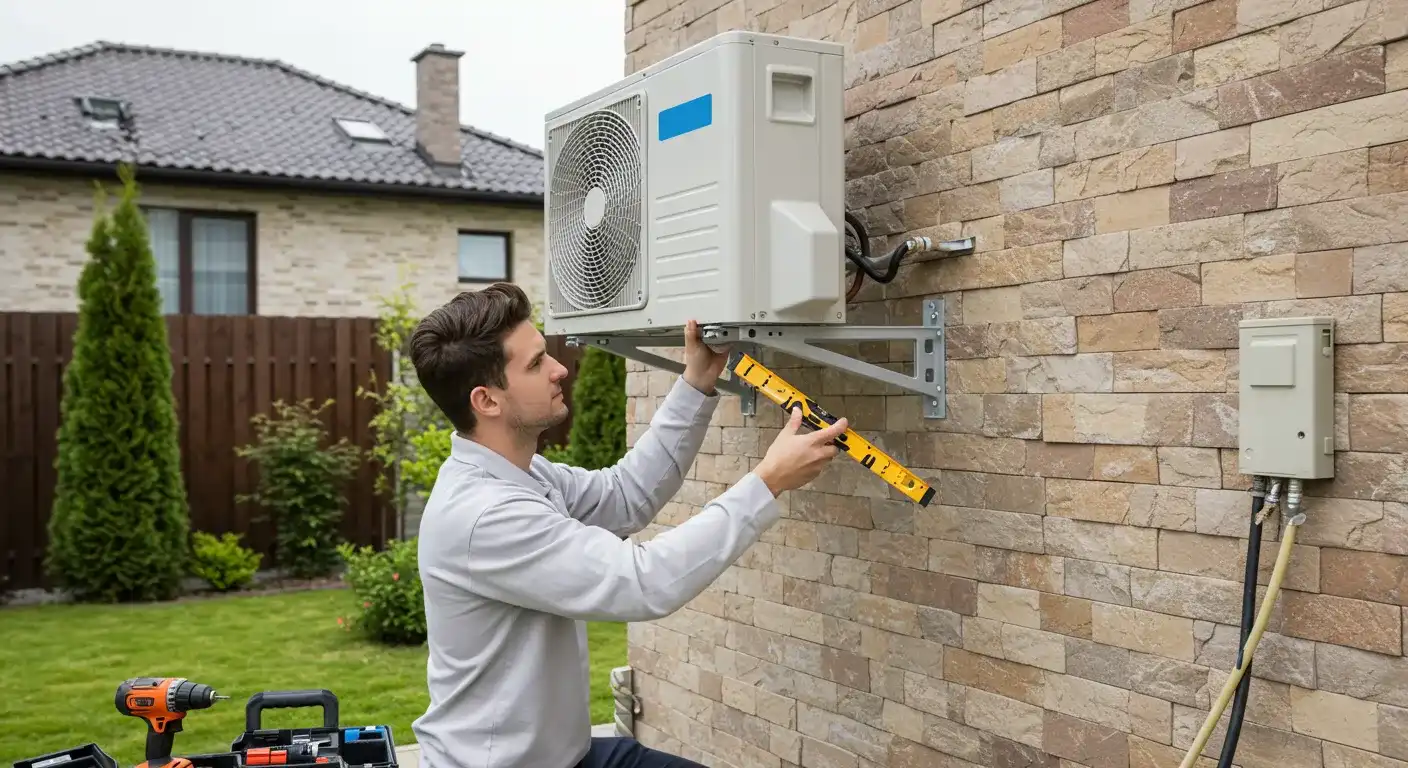
Investing in a new air conditioning system involves more than just swapping one metal box for another. A professional installation is a comprehensive service designed to ensure the new unit operates at peak efficiency for its entire lifespan. When you authorize a replacement, you are purchasing a fully integrated cooling solution tailored to the specific thermal dynamics of your home.
The scope of a standard installation includes the safe removal and environmentally compliant disposal of your existing unit. This involves recovering old refrigerant according to EPA standards so that no hazardous materials are released into the atmosphere. Once the old equipment is cleared, the focus shifts to preparing the site for the new high-efficiency system.
Your installation package covers the following critical components:
- Equipment Sizing and Selection: A technician verifies that the capacity of the new unit matches the cooling load of your home. This prevents "short cycling" (where a unit turns on and off too frequently) or the inability to remove humidity effectively.
- Ductwork Inspection and Modification: The best AC unit cannot perform if it is connected to compromised ductwork. The service includes inspecting visible ducts for leaks or disconnections and making necessary transition modifications to fit the new air handler.
- Electrical and Drainage Connections: This includes installing a new disconnect box if necessary, upgrading the whip (the electrical conduit), and ensuring the condensate drain line is clear and properly trapped to prevent water damage.
- Thermostat Integration: Whether you are keeping your existing thermostat or upgrading to a smart, Wi-Fi-enabled model, the installation includes wiring, programming, and testing the control interface to ensure seamless communication with the new condenser and air handler.
- Site Cleanup: The service is not complete until the work area is clean. All debris, packaging materials, and the old unit are hauled away, leaving your property exactly as it was found, just cooler.
How The Installation And Replacement Process Works
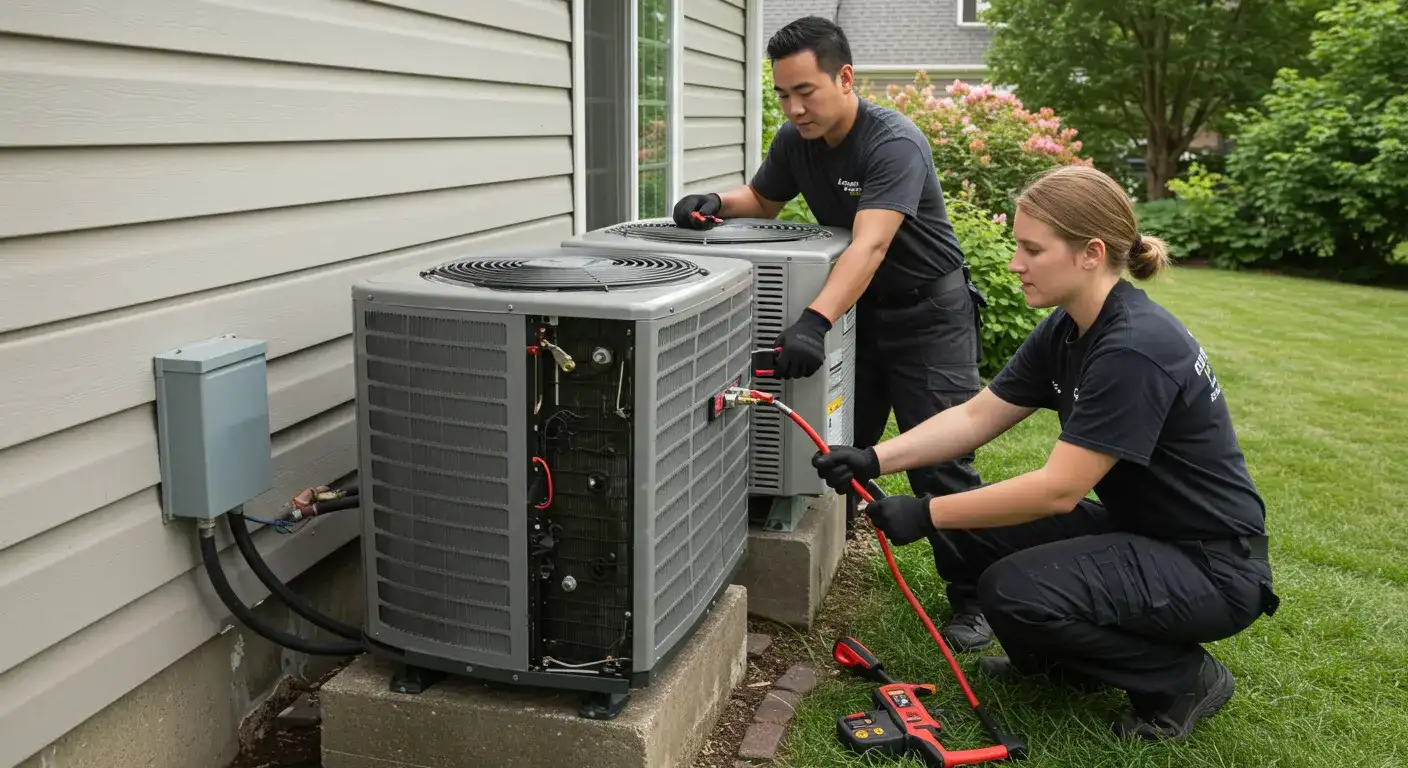
A structured installation process eliminates guesswork and ensures that every technical specification is met. While every home in Emerald Isle presents unique challenges, professional teams follow a rigorous workflow to guarantee consistent results. This systematic approach minimizes downtime and ensures that your new system is ready to handle the heavy humidity typical of the region.
The process moves through distinct phases, from the initial assessment to the final quality control check.
Technical Assessment and Load Calculation:
The process begins with a thorough evaluation of your home’s cooling needs. Technicians do not assume the previous unit was sized correctly. They consider square footage, insulation levels, window orientation, and heat-generating appliances to determine the exact BTU capacity required.
System Selection and Proposal:
Based on the assessment, you receive recommendations for systems that fit your efficiency goals and budget. This step includes explaining SEER2 ratings (Seasonal Energy Efficiency Ratio) and how higher ratings can offset electricity costs over time.
Equipment Removal and Site Prep:
Technicians arrive with the necessary equipment to disconnect the old system safely. They shut off power, pump down or recover refrigerant, and disconnect electrical and gas lines (if applicable). Floor runners and drop cloths are used to protect your flooring during the removal of the indoor air handler.
Installation of Indoor and Outdoor Units:
The new air handler or evaporator coil is set in place first, ensuring it is level and sealed against the plenum to prevent air leakage. Simultaneously, the outdoor condenser is positioned on a new pad or bracket. Special attention is given to vibration isolation to keep operation quiet.
Refrigerant Line Set Connection:
The copper lines that carry refrigerant between the indoor and outdoor units are brazed using nitrogen purging. This technical step is vital as it prevents oxidation inside the pipes, which can clog the sensitive valves of modern high-efficiency units.
Vacuum and Charge:
Once connected, the system is pulled into a deep vacuum to remove all moisture and non-condensables from the lines. After the vacuum holds, the system is charged with the precise amount of refrigerant specified by the manufacturer.
Commissioning and Testing:
The system is powered on, but the job is not done. Technicians measure static pressure, superheat, and subcooling to verify the unit is performing exactly as designed. They also verify that the thermostat is cycling the unit correctly.
When Replacement Is The Smarter Financial Choice
Homeowners often struggle with the decision between repairing an aging unit and investing in a new one. While repairs can seem cheaper upfront, there is a tipping point where sinking money into an old system becomes financially irresponsible. Understanding when to pivot from repair to replacement can save thousands of dollars in the long run, especially given the energy demands in North Carolina.
You should consider replacement over repair based on the following decision criteria:
The 50% Rule:
If the cost of the repair approaches or exceeds 50% of the value of a new system, replacement is generally the better option. A major repair on an old unit does not reset the clock on the rest of the components; other parts are likely to fail soon.
Age of the Equipment:
The average lifespan of a central air conditioner is 10 to 15 years. If your unit is over 12 years old and requires a significant repair (like a compressor or motor replacement), the technology is likely obsolete. New systems are significantly more efficient, meaning the monthly energy savings can help offset the installation cost.
Refrigerant Type:
Older systems utilize R-22 (Freon), which has been phased out and is incredibly expensive to source. If your older unit has a refrigerant leak, topping it off is often cost-prohibitive. Modern systems use R-410A or newer, eco-friendly refrigerants that are more affordable and available.
Frequency of Breakdowns:
If you have required multiple service calls in the last two years, your system is signaling that it is at the end of its life. Reliable cooling is essential during the summer, and a "patch-up" approach leaves you vulnerable to a total failure during a heatwave.
Rising Energy Bills:
As AC units wear out, they must work harder and run longer to maintain the same temperature. If your utility bills are creeping up despite normal usage, the internal components are likely degraded. Airtech Mechanical Service Inc. recommends comparing your current energy usage with the projected efficiency of a new SEER2-compliant model.
Navigating Local Requirements And Coastal Factors
Installing air conditioning in a coastal environment requires specific considerations that do not apply to inland properties. The salt air, high humidity, and potential for severe weather in Emerald Isle dictate specific equipment choices and installation practices. A standard installation that works elsewhere may fail prematurely here due to corrosion or insufficient humidity control.
Corrosion Protection:
Salt spray is aggressive toward aluminum and copper. For homes near the water, it is critical to select units with "coastal packages" or heavy-duty coatings on the condenser coils. Without this protection, the fins on the outdoor unit can deteriorate rapidly, destroying the unit’s ability to release heat.
Humidity Management:
In this region, the heat index is driven by humidity. An air conditioner must run long enough to pull moisture out of the air. If a unit is oversized, it will cool the air too quickly and shut off before it has dehumidified the room, leading to a cold, clammy indoor environment. Proper sizing is strictly enforced to ensure comfort.
Permitting and Inspections:
New installations often require mechanical permits to ensure compliance with local building codes. This process protects the homeowner by verifying that the electrical connections are safe, the condensate lines meet code, and the unit is secured properly.
Hurricane Preparation:
Local codes often require outdoor units to be mounted on elevated stands (to protect against storm surge) and secured with hurricane straps or heavy-duty tie-downs. This prevents the unit from becoming a projectile or floating away during severe weather events.
Why Correct Sizing And Installation Quality Matter
The most expensive equipment on the market will perform poorly if it is not installed correctly. Industry data suggests that a significant percentage of HVAC systems are improperly sized or installed, leading to higher energy bills and shortened equipment life. The focus must always be on the quality of the installation rather than just the brand name on the box.
Efficiency Realization:
A system rated for 20 SEER efficiency will only achieve that level of performance if the ductwork is sealed, the refrigerant charge is exact, and the airflow is balanced. Poor installation techniques can reduce the actual efficiency of a new unit by up to 30%.
Equipment Longevity:
Improper installation puts stress on the main components. For example, restricted airflow due to poor duct design causes the blower motor to overheat and the compressor to work harder than necessary. Professional installation ensures the system operates within its design parameters, extending its operational life.
Warranty Validity:
Manufacturers offer generous warranties, often extending 10 years or more on parts. However, these warranties almost always require proof of professional installation by a licensed contractor. DIY attempts or unlicensed work can void these warranties instantly, leaving you unprotected.
Safety Assurance:
AC installation involves high-voltage electricity and high-pressure refrigerant gases. Professional technicians follow strict safety protocols to prevent electrical hazards, leaks, or water damage to the home.
Stay Cool Before the Coastal Sun Turns Up!
Whether you are upgrading for efficiency or responding to a total breakdown, securing a professional installation is the only way to guarantee comfort in the harsh coastal climate. Airtech Mechanical Service Inc. ensures that every step, from the load calculation to the final hurricane strap, is executed with precision.
Don't wait until the heat becomes unbearable—secure your comfort today by scheduling your expert consultation and installation.
Other Services